International Hotel Technology Forum 2026: Amsterdam Corporate Accommodation
The International Hotel Technology Forum returns to Amsterdam 21–23 April 2026, drawing European hotel CIOs, technology directors, and integration vendors for three days of procurement conversations, platform demonstrations, and boardroom-level networking. Attendees negotiate PMS migrations, evaluate cloud-infrastructure tenders, and sign multi-property rollout agreements in the corridors. With the Independent Hotel Show running concurrently, central Amsterdam inventory tightens sharply and corporate rates climb. Booking via corporateimpt.io delivers the same rate as direct whilst retiring one tonne of UN-verified CO₂ per reservation and creating the auditable Scope 3 line item CSRD frameworks require—critical when finance teams scrutinise vendor selection and travel-policy alignment.

Why hotel IT directors attend this forum
This forum sits at the intersection of procurement intelligence and vendor selection. Multi-unit operators bring shortlists; platform vendors bring term sheets. CIOs compare revenue-management-system roadmaps, assess cyber-insurance implications of cloud migration, and qualify integration partners for property-wide rollouts. Panel sessions dissect API standardisation, data-residency compliance under GDPR, and the ROI calculus of contactless check-in at scale.
Corridor conversations move contracts. A fifteen-minute discussion on PCI-DSS hosting can accelerate a six-figure PMS decision by a quarter. Attendees exchange intelligence on which channel managers handle dynamic-pricing feeds reliably, which mobile-key providers survived post-pandemic budget cuts, and which guest-data platforms offer CSRD-compatible carbon-accounting hooks. The forum's value lies in condensed decision cycles: three days replace three months of scattered discovery calls.
Business development and procurement cycles
Hotel-technology procurement follows deliberate timelines. Multi-property operators issue RFPs in Q2, evaluate submissions through summer, pilot in autumn, and roll out post-January when occupancy dips. April timing positions this forum early in that cycle, when shortlists solidify and vendor roadmaps for the year ahead become concrete. Directors arrive with defined pain points—legacy-system sunset dates, integration-cost blowouts, staff-retention challenges—and leave with qualified vendor shortlists.
Networking extends beyond exhibit halls. Evening receptions at canal-side venues host CFOs debating CapEx-versus-OpEx trade-offs in SaaS platform switches. Breakfast roundtables pair revenue managers with analytics vendors testing machine-learning occupancy models. Pre-scheduled one-to-ones in quiet corners of sponsor lounges close partnership agreements that began as exploratory emails months earlier. The forum compresses negotiation friction, offering decision-makers and solution providers shared context and mutual time commitment.
Scope 3 reporting and corporate travel policy
CSRD mandates push Scope 3 emissions—business travel, purchased goods, downstream leased assets—into annual reporting. A three-night stay during this forum generates measurable carbon impact that finance teams must disclose. Booking via corporateimpt.io automates compliance: each reservation retires one tonne of UN-verified carbon credits, creating an on-chain proof of retirement and a line-item record that maps directly to CSRD disclosure templates.
Traditional booking channels offer no Scope 3 traceability. Corporate-card statements show merchant codes and VAT splits but lack emissions metadata. Hotel direct-booking engines rarely surface offset options, and third-party OTAs treat sustainability as a filter tick-box rather than an accounting artefact. The corporateimpt.io platform bridges this gap, embedding offset retirement into the transaction itself and delivering an auditable trail that satisfies external assurance reviews. For companies managing multi-market travel policies, this approach scales: every booking contributes to the enterprise-wide Scope 3 ledger without requiring manual spreadsheet reconciliation.
Investor and regulatory scrutiny of Scope 3 intensifies quarterly. Asset managers ask portfolio companies to demonstrate emissions reduction year-on-year. Booking platforms that bundle verified offsets into standard reservations convert a compliance headache into a supplier advantage. When procurement teams evaluate travel-management vendors, CSRD-aligned reporting becomes a selection criterion alongside price and cancellation flexibility.
Corporate-rate access and expense-policy alignment
Amsterdam's hotel market operates tiered corporate-rate structures: negotiated rates for multinational accounts, SME rates via consortia, and rack rates for ad-hoc bookings. The forum's April dates coincide with Independent Hotel Show Amsterdam, compressing inventory and lifting rates sharply. Properties prioritise contracted corporate accounts; walk-in availability shrinks. Booking early via recognised platforms secures inventory at pre-negotiated rates rather than distressed last-minute pricing.
Expense policies demand single-receipt simplicity: one confirmation email, one VAT-split invoice, one approval workflow. The corporateimpt.io booking flow mirrors direct-booking UX—same cancellation terms, same loyalty-point accrual—but adds Scope 3 line items without complicating reconciliation. Finance teams approve these bookings under existing travel-policy caps because the offset cost is embedded in IMPT's commission rather than charged separately. No purchase-order exceptions, no additional vendor onboarding, no split invoicing.
GDS connectivity matters for enterprises managing consolidated travel spend. Whilst corporateimpt.io does not yet integrate Sabre or Amadeus, its API-first architecture allows corporate travel managers to pull booking data into expense platforms programmatically. This satisfies internal audit requirements for centralised spend visibility whilst preserving the Scope 3 reporting that GDS channels lack.
Venue proximity and meeting-room availability
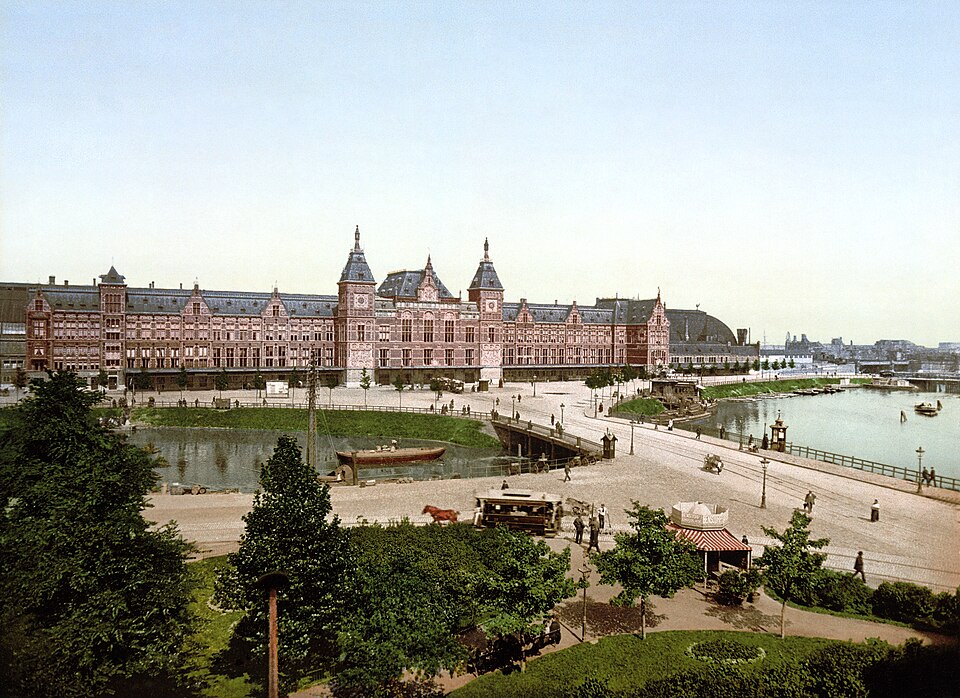
The forum rotates among central Amsterdam venues; 2026 specifics publish closer to date. Historical venues cluster near Centraal Station and the canal ring, placing attendees within fifteen minutes' walk of Damrak hotels or a brief tram ride from Museumplein properties. Proximity to the venue reduces transit friction during packed schedules: keynote at 09:00, vendor demos until 13:00, roundtable lunch, afternoon breakouts, evening reception.
Corporate attendees often layer internal meetings onto forum days. A revenue director flying in from London schedules a breakfast debrief with regional sales. A CIO books a late-afternoon suite to host confidential contract discussions with a shortlisted PMS vendor. Hotels that offer day-use meeting rooms, club-lounge access, and flexible check-out times become operational assets rather than mere overnight accommodation. Properties near the venue that provide business centres, printing services, and reliable Wi-Fi support this layered itinerary without requiring attendees to return to distant suburbs between sessions.
Amsterdam hotel inventory under concurrent-event pressure
Independent Hotel Show Amsterdam runs the same 21–23 April dates, drawing boutique-hotel owners, interior designers, and procurement managers for independent properties. Combined delegate counts push central Amsterdam occupancy above 90 per cent. Properties apply peak-season premiums, minimum-stay policies appear, and cancellation windows tighten. Booking eight weeks ahead secures inventory; waiting until March risks slim pickings or satellite-district fallback options requiring thirty-minute commutes.
Revenue managers at Amsterdam properties adjust BAR rates dynamically as occupancy thresholds cross. A room priced at €280 in February may list at €420 by mid-April. Corporate rates lag this curve but still climb. Early commitment locks lower pricing and preserves location choice. For companies sending multiple attendees, block-booking three or four rooms triggers minor group discounts and guarantees adjacency—valuable when teams need impromptu evening debriefs in one person's suite.
Booking mechanics: single transaction, dual outcome
The corporateimpt.io booking flow mirrors direct-hotel UX: select dates, choose room type, enter guest details, confirm. Price matches the hotel's own website. Cancellation policies mirror direct bookings—most properties offer free cancellation until 48 or 72 hours prior. The platform captures IMPT's commission from the hotel rather than marking up the guest rate, preserving expense-policy compliance.
Upon confirmation, the platform retires one tonne of UN-verified carbon credits and records the retirement on-chain. This transaction generates a certificate and a Scope 3 line item that finance teams import into CSRD disclosure templates. The 5 per cent Goodness rewards accrue to the booker's account, redeemable against future stays or donated to vetted climate projects. For corporate travellers, this structure delivers three outcomes in one transaction: the required accommodation, the mandated Scope 3 offset, and a modest loyalty incentive—all without process deviation from standard booking workflows.
Hotels with corporate-rate access for delegates
Waldorf Astoria Amsterdam
Six restored canal houses offer boardroom-standard suites, club lounge with all-day refreshments, and meeting rooms suitable for confidential vendor negotiations. Concierge arranges secure document courier and late-evening car service.
Pulitzer Amsterdam
Twenty-five interlinked Golden Age houses provide business-centre facilities, flexible check-out, and canal-view suites that double as informal meeting spaces. On-site restaurant hosts working breakfasts without requiring venue exit.
Sofitel Legend The Grand Amsterdam
Former city hall and Admiralty headquarters combines heritage architecture with high-speed connectivity, express laundry, and 24-hour room service. Courtyard garden offers quiet space for post-session phone calls.
DoubleTree by Hilton Amsterdam Centraal Station
Corporate-travel workhorse: GDS-connected rates, Hilton Honors integration, grab-and-go breakfast from 06:00, and meeting rooms bookable by the hour. Fitness centre open early for jet-lagged executives.
Ink Hotel Amsterdam by MGallery
Converted newspaper-office building delivers compact work desks in-room, lobby co-working tables, and fast check-in kiosks. Practical base for directors prioritising location and efficiency over grand-hotel amenities.
NH Collection Amsterdam Grand Hotel Krasnapolsky
Historic property facing Royal Palace offers multiple on-site restaurants for client dinners, business lounge with printing, and reliable corporate-rate access via NH's enterprise agreements. Large room inventory suits group bookings.
Motel One Amsterdam-Waterlooplein
Budget-smart option for cost-conscious attendees: clean rooms with functional desks, robust Wi-Fi, and complimentary coffee in lobby bar. No meeting rooms but neighbouring cafés provide informal discussion space.
ibis Styles Amsterdam Central Station
Efficient corporate stopover with included breakfast buffet, late check-out availability, and proximity to airport train. Compact rooms prioritise workspace over lounge seating; ideal for single-night stays during tight schedules.
Arrival, transit, and event timing
Amsterdam Airport Schiphol sits 17 kilometres southwest. Direct trains to Centraal Station depart every ten minutes, reaching the city in 15 minutes; single tickets cost around €6. Taxis queue outside arrivals and charge €45–55 to central hotels, journey time 25–35 minutes depending on traffic. Most forum attendees favour the train for speed and predictability, especially during morning arrivals when motorway congestion builds.
Centraal Station serves as the city's transit hub. Trams 2, 4, 12, and 24 radiate toward Museumplein, Leidseplein, and the canal ring, covering typical venue catchments. A GVB day pass costs approximately €9 and includes unlimited tram, bus, and metro; purchase from ticket machines at the station or via the GVB app. Walking remains the fastest option within the historic centre—most hotels to likely venues lie under 15 minutes on foot.
Forum sessions typically run 09:00–18:00, with evening receptions extending to 21:00. Corporate attendees should plan inbound flights landing by 08:00 the day prior to avoid congested check-in queues, and return flights departing after 15:00 on 23 April to attend closing keynotes. Hotel breakfast service from 06:30 accommodates early internal meetings; properties with club lounges offer evening canapés for those skipping formal dinners.
April in Amsterdam averages 8–14°C with frequent light rain. Pack a weatherproof shell and comfortable walking shoes; cobblestones and canal-bridge steps challenge polished office footwear. Business attire skews smart-casual—blazer without tie is standard. Properties near the venue reduce reliance on trams during wet spells, shortening the gap between morning check-out and first session.
Frequently asked questions
How does a corporateimpt.io booking satisfy CSRD Scope 3 reporting?
Each reservation retires one tonne of UN-verified carbon credits, generating an on-chain proof of retirement and a line-item record. Finance teams import this data into CSRD disclosure templates, satisfying Scope 3 business-travel requirements without manual spreadsheet reconciliation or separate offset purchases.
Do I pay more than the hotel's direct rate?
No. The rate matches the hotel's own website. IMPT earns commission from the property rather than marking up the guest price, preserving expense-policy compliance and avoiding purchase-order exceptions for offset costs.
Can I cancel freely, or do carbon offsets lock the booking?
Cancellation policies mirror direct bookings—most properties offer free cancellation until 48 or 72 hours before arrival. The offset retirement occurs at booking confirmation, but cancelling does not reverse it; the tonne remains retired and contributes to your Scope 3 ledger.
Does corporateimpt.io integrate with our GDS or Concur Travel?
The platform does not yet connect to Sabre, Amadeus, or Concur, but its API allows corporate travel managers to pull booking data programmatically into expense platforms, satisfying internal audit requirements for centralised spend visibility whilst preserving Scope 3 reporting that GDS channels lack.
How early should we book for this forum?
Independent Hotel Show Amsterdam runs concurrently, pushing central occupancy above 90 per cent. Booking eight weeks ahead secures inventory at lower rates and preserves location choice; waiting until March risks slim pickings or distant fallback options.
Can we block-book multiple rooms under one corporate account?
Yes. The platform handles group reservations. Three or four rooms trigger minor discounts and guarantee adjacency—valuable when teams need impromptu evening debriefs. Contact support for block coordination and unified invoicing.
What happens to the 5% Goodness rewards?
Rewards accrue to the booker's account, redeemable against future stays or donated to vetted climate projects. For corporate travellers, this modest loyalty incentive does not conflict with company policy because it flows to the individual, not the employer's procurement budget.
Which neighbourhoods offer the best mix of venue proximity and business amenities?
Properties near Centraal Station, Dam Square, or the Herengracht canal ring place attendees within 10–15 minutes' walk of typical venues. Look for club lounges, day-use meeting rooms, and flexible check-out to support layered schedules of forum sessions and internal debriefs.
Do hotels provide VAT-split invoices for expense reconciliation?
Most corporate-grade properties issue invoices with separate VAT line items. The corporateimpt.io confirmation email and platform-generated invoice include all necessary fields for finance approval, maintaining single-receipt simplicity.
What if the forum venue details change closer to the date?
The forum rotates among central Amsterdam venues; specifics publish on the official site. Historical locations cluster near Centraal Station and the canal ring. Booking centrally mitigates last-minute venue announcements, keeping transit under 15 minutes regardless of final choice.
International Hotel Technology Forum Amsterdam 2026 condenses a quarter's worth of procurement discovery into three days of qualified vendor meetings, boardroom-level networking, and contract acceleration. Attendees leave with shortlists finalised, integration partners qualified, and rollout timelines agreed. Booking accommodation via corporateimpt.io aligns travel spend with CSRD Scope 3 mandates, delivering the same rate as direct whilst retiring verified carbon credits and creating the auditable trail finance teams require. Early reservations secure central inventory before concurrent-event pressure tightens the market, positioning your team for maximum ROI-on-attendance without travel friction or compliance gaps.